How Brands Have Reinvented Themselves
Some of the most successful brands didn’t start with the products they’re known for today. Over time, businesses have had to pivot, adapt, and rebrand to stay relevant, proving that strategic branding plays a crucial role in shifting public perception and expanding into new markets.

The Importance of Brand Evolution in a Changing Market
Businesses that stay rigid often struggle to survive in an ever-changing marketplace. Consumer preferences shift, technology advances, and economic landscapes evolve. The brands that stay relevant are the ones that recognize when it’s time to pivot. This transformation doesn’t just happen overnight—it requires a well-thought-out strategy, leveraging marketing, design, and product innovation to reshape the brand's perception while maintaining trust and loyalty.
Why Companies Pivot Their Offerings
There are several reasons why a company might shift its core business:
Technological Advancements: New innovations can render existing products obsolete, pushing brands to evolve.
Market Demand Shifts: Consumer preferences and behaviors change, requiring brands to adapt.
Competitive Pressure: To stay ahead, businesses often need to reinvent themselves.
Scalability & Growth: Some businesses find greater profitability by expanding into new industries.
These shifts require strategic branding to ensure that customers accept and embrace the transformation rather than reject it. Let’s take a look at some of the most iconic brand evolutions.
Amazon: From Online Bookstore to Everything Store
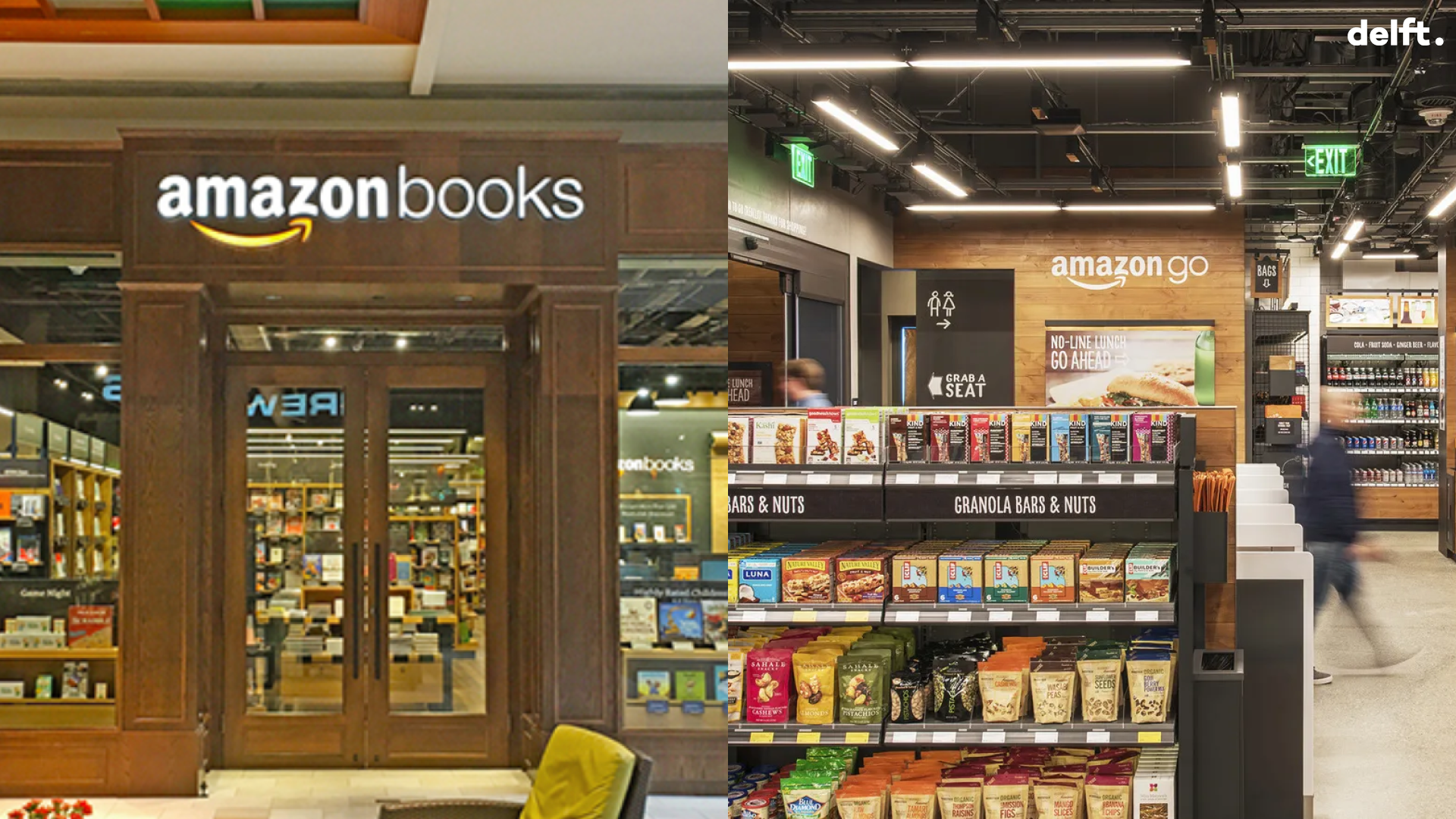
Amazon began in 1994 as an online bookstore but quickly realized the potential of e-commerce beyond books. Through continuous rebranding and expansion, Amazon evolved into a global marketplace, offering everything from electronics to cloud computing. Its brand became synonymous with convenience, efficiency, and innovation, making it the dominant force in online retail today.
Netflix: From DVD Rentals to Streaming Giant
Netflix started as a DVD rental-by-mail service but saw the decline of physical media and pivoted to streaming. Through rebranding and content investment, it transformed into one of the world’s leading entertainment companies. By positioning itself as a tech-forward media powerhouse, Netflix was able to redefine how people consume content globally.

Samsung: From Grocery Trading to Tech Empire
Samsung began as a trading company in 1938, selling groceries and dried fish in Korea. Over the decades, it transitioned into textiles, insurance, and eventually, consumer electronics. Today, Samsung is one of the largest tech brands in the world, proving that strategic branding and product evolution can lead to market dominance.

Lego: From Wooden Toys to Digital Entertainment
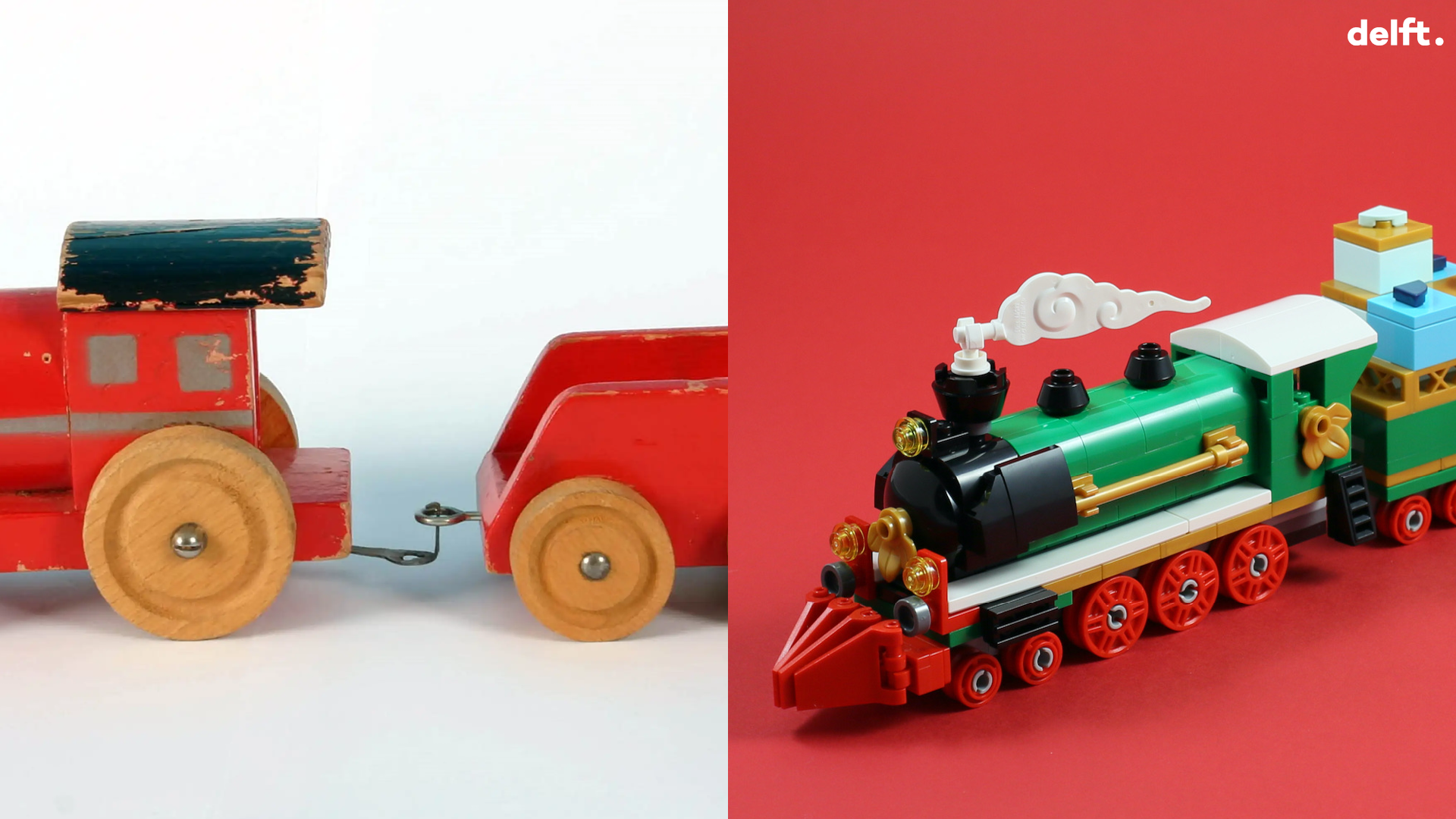
Lego started as a small wooden toy manufacturer in the 1930s but embraced innovation by transitioning to plastic interlocking bricks. More recently, it expanded into digital gaming, movies, and theme parks, ensuring its relevance across generations. By continuously reinventing itself while maintaining brand consistency, Lego has remained a beloved household name.
Nintendo: From Playing Cards to Video Game Giant
Nintendo began as a playing card company in 1889 but reinvented itself multiple times before becoming the video game powerhouse we know today. By leveraging branding, nostalgia, and innovation, Nintendo transformed into a global entertainment brand that has outlasted many competitors in the gaming industry.

The Role of Branding in Business Transformation
These examples highlight the power of branding in helping businesses evolve. A strong brand allows companies to:
Expand into new industries without losing consumer trust.
Reinvent their image while maintaining brand equity.
Build long-term relationships with customers despite product shifts.
Maintain relevance in changing markets by adapting to new consumer needs.